
Whoa! I get that the wallet landscape feels like a crowded airport at 6pm. Seriously? Yeah — too many options, and too much noise. My gut reaction the first time I set up a multichain wallet was: somethin’ here smells off. But then I dug in, tested things, and started to separate feature fluff from actual security and UX wins.
Short version: staking support, solid hardware-wallet compatibility, and a tasteful browser extension are the three features that move a wallet from “nice-to-have” to “I trust this with my funds.” Those three together give you custody flexibility, passive yield options, and a sane day-to-day interface. I’m biased, but I think neglecting any one of them is a mistake—especially if you manage multiple chains and different token standards. (Oh, and by the way… I’m not 100% sure every user needs all three all the time.)
Here’s the thing. Staking used to be a corner-case feature for power users. Now it’s mainstream. And not every wallet that claims “staking” actually offers the same thing. Some let you delegate to validators with a few clicks. Others require you to navigate a maze and sign multiple transactions. On one hand, easy staking is great for adoption. On the other hand, ease can hide risk—like poorly vetted validator pools or unclear slashing policies. Initially I thought staking integration was just a UX job, but then I realized: validator selection, rewards compounding, and slashing visibility are product-level security concerns too.
Longer take: if a wallet gives you staking, it should transparently show which validators you can pick, what their uptime and commission look like, and how unstaking timing works across chains. For multichain users, that last point matters more than you think because unstaking rules vary wildly — from hours to weeks — and can strand assets if you forget about them during a market move. Hmm… that part bugs me a lot.
Hardware wallet support is non-negotiable for serious holders. Short sentence. If you hold significant assets, keeping keys on a hardware device dramatically reduces phishing and browser-exploit risk. I’ve paired Ledger and Trezor devices with software wallets for years. Initially I relied solely on software keys — big mistake. Actually, wait—let me rephrase that: I learned the hard way after a near-miss with a malicious extension. Your hardware wallet should be able to sign across chains without forcing you to export keys or rely on shady middlemen.
On a technical level, good wallet integration exposes public keys across chains and prompts signatures through a secure channel, while keeping the private key isolated. That means the browser extension or desktop app should act as a bridge only — no key leakage, no secret exports. Some wallets pretend to support hardware devices but only for certain chains. On the other hand, the best integrations feel seamless: you click, confirm on device, and the chain sees a legit signature. No drama. No “what just happened” moments.
What I look for in an extension (and a trustworthy place to start)
Okay, so check this out—browser extensions are still the most common daily interface for Web3. They must be small, fast, and secure. They must not hoard permissions. They should make signing readable — like, show you which chain, which contract, and exactly what token or stake action you’re authorizing. My instinct said a long time ago: permission hygiene matters more than slick UI. On the other hand, if the UI is confusing, users will click accept. So the golden combo is clarity plus minimalist permissions.
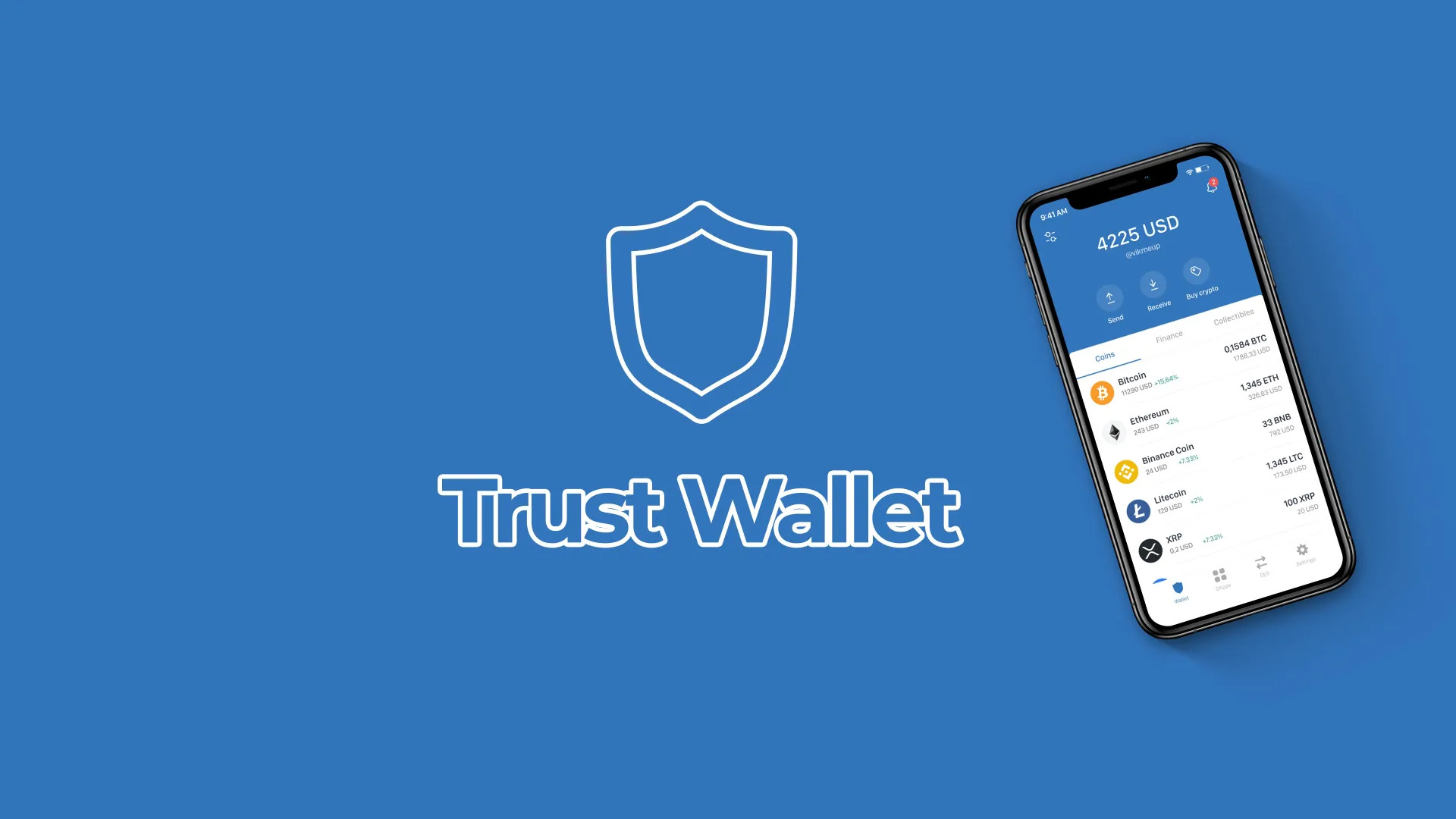
For a real-world example and a wallet that balances these trade-offs pretty well, take a look at this multichain wallet I vetted: https://sites.google.com/cryptowalletuk.com/truts-wallet/ — it shows sensible staking flows, hardware compatibility, and a browser extension that doesn’t demand every permission under the sun. I found the validator list clear, and the hardware prompts were exactly where I’d expect them. Not saying it’s perfect, though — nothing ever is. Still, it’s a solid starting place if you’re comparing options.
Validators, UX, and security are tied together in ways that most folks don’t see until they lose small amounts to friction or confusion. For example: some wallets auto-reinvest staking rewards in a way that looks convenient but can create tax headaches or unexpected gas fees. Others require you to claim rewards manually, which is more work but also more control. On one hand, automated compounding is tempting; on the other hand, you might prefer to batch claims to save gas. These are preference trade-offs. I’m not 100% doctrinaire about either approach.
There are also governance and multisig considerations. If you run a DAO or shared treasury, you need hardware-friendly multisig integrations. Not all extensions support multisig flows cleanly. If your wallet can talk to hardware signers and coordinate multiple approvals without awkward manual steps, you just saved yourself a lot of coordination overhead. And trust me, coordinating signatures across time zones is way less fun than it sounds.
Some practical tips from my experience:
- Start with a small test. Move a tiny amount first. Seriously. Test the staking and unstaking flow end-to-end. This catches UI surprises and network-specific quirks.
- Check validator reputation. Don’t just pick the top APR. High returns often come with higher risk.
- Use hardware for cold storage. Keep day-to-day funds in software if you need speed, but hardware for the rest.
- Audit the extension permissions. If an extension asks to read all sites, decline and probe why.
- Document your recovery steps and backup phrases. No apps, no matter how polished, eliminate the need for proper backups.
I’m biased toward wallets that prioritize transparency over flashy features. That preference comes from watching users get burned by “one-click” experiences that hide long-term implications. There’s also the cultural bit — many US-based teams are moving toward clearer UX and better legal disclosures, which is a good trend. Still, community-driven projects overseas often innovate faster. On one hand, speed; though actually, sometimes speed means sloppy security.
FAQ
Do I need staking on every chain my wallet supports?
No. Use staking where the economics and lockup terms fit your goals. For volatile holdings or funds you might need soon, avoid long lockup periods. For longer-term assets, staking can be a sensible yield source.
Can I use a hardware wallet with browser extensions across chains?
Mostly yes. Many hardware devices work through extension bridges. But check that the wallet supports your particular device and every chain you care about — some chains require additional firmware or specific integration work.
Are browser extensions safe?
They can be, if they follow permission hygiene and keep signing clear. Always verify the extension source, keep your browser updated, and couple extensions with hardware keys for larger balances.