
Whoa! I mean, seriously, the Solana universe moves fast. I stumbled into it wanting a simple NFT wallet, and ended up relearning browser security. Initially I thought browser extensions are all the same, but then realized Phantom feels different in small ways that matter. My instinct said “be cautious”, yet curiosity pushed me to try features others ignore—like granular site permissions and Ledger integration—and that discovery changed how I manage assets.
Really? The UI is deceptively simple. It hides power under friendly polish. You get basic send/receive in two clicks, and deeper controls available if you poke around. On one hand it’s approachable for newcomers; on the other hand, that approachability can lull you into unsafe habits if you don’t know what to check.
Here’s the thing. When installing any wallet extension, permissions are the first thing to scan. Don’t just accept prompts reflexively. Check which sites the extension can read on and whether it gets full access to all pages—those are different and important distinctions.
Hmm… I remember ignoring permissions once. Bad idea. I lost access to a small token because of a poorly vetted dApp interaction, and it taught me to treat wallet approval like a handshake, not a blanket trust. Actually, wait—let me rephrase that: think of approvals like lending a key, but only for the room you plan to visit.
Okay, so check this out—if you’re installing Phantom, use the official source. I’ve bookmarked a safe install link for convenience: phantom wallet download extension. That single click saved me time and minor headaches when I first set things up.
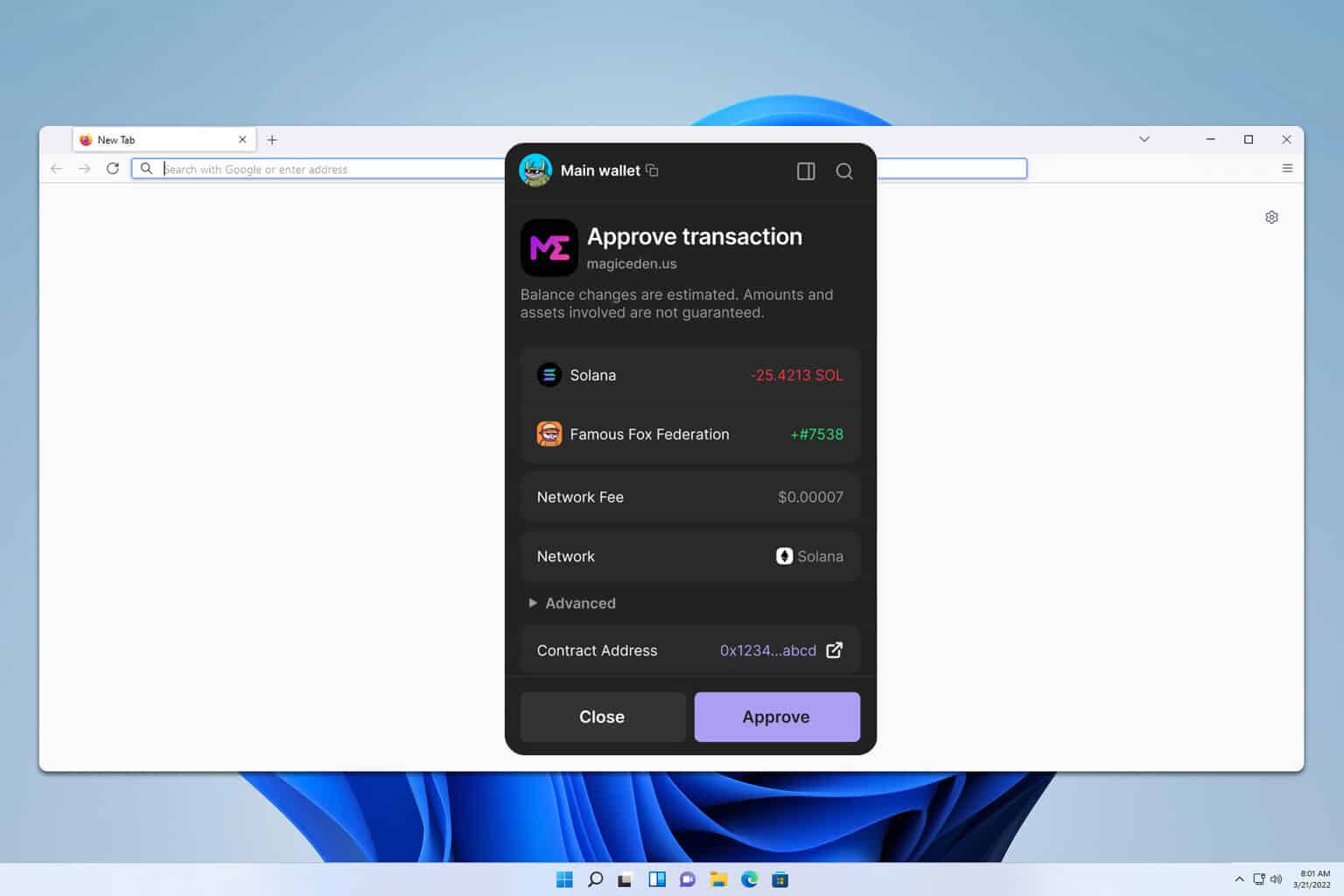
Why Phantom? And what’s different about Solana wallets
Wow! Phantom nails that sweet spot between consumer-friendly and developer-capable. The app handles SOL and SPL tokens smoothly and has built-in NFT browsing, which is handy for collectors. Compared to some Ethereum wallets it feels faster—transactions finalize quickly, and fees are usually tiny, which matters if you swap or mint often. I’m biased, but speed changes behavior: you’ll transact more when you don’t fear a $20 fee.
Seriously? Yes. The Solana runtime is architected for high throughput, and Phantom rides that wave. That speed comes with trade-offs though, because cheap rapid actions can mask permission creep and lousy dApp UX. On the plus side, Phantom supports hardware wallets (Ledger) for higher-stakes accounts, which is a must in my book.
Something felt off about some NFT marketplaces at first. They asked for broad permissions and used confusing language. My gut said “limit that” and so I learned to disconnect sites after a listing or mint. Disconnecting is rehab for your wallet—use it frequently, like clearing your browser history sometimes.
On one hand you want convenience. On the other hand, security matters more when amounts grow. If you’re moving substantial SOL or holding valuable NFTs, pair Phantom with a hardware wallet or split funds across accounts. Thought evolution: I used to stash everything in one place; now I segment by risk and function, which feels smarter and slightly more annoying to manage, but worth it.
Installing and setting up — practical steps
Whoa! Start simple. Add the extension, then create a new wallet or restore one from seed phrase if you already have it. Write the recovery phrase down on paper—no screenshots, no cloud notes. Hide it like it’s the PIN to a safe deposit box, because well, it is.
Hmm… Okay, next: name your accounts. Phantom lets you create multiple wallet instances; label them so you don’t mix a trading wallet with a collector wallet. This tiny habit prevents the “oh no I sent to the wrong address” panic. Also, enable auto-lock timeout to reduce exposure when stepping away from your computer.
My instinct said to skip extra settings; instead I explored them. Under “Security” you can toggle connection previews and decide whether to approve new dApp cluster types—mainnet, devnet—before connecting. Initially I ignored devnet options, but then realized using devnet for testing mints saves real money and teaches you flows without risk.
Honestly, don’t forget Ledger. Ledger integration requires a tiny bit more setup but gives you offline signing security for transfers and approvals. It might feel like overkill at first, though actually, when you hold assets that matter, Ledger plus Phantom is the combination I trust most because it forces approvals through a physical device.
Managing NFTs inside the extension
Really? Phantom shows NFTs right in the extension now. You can preview art, inspect metadata, and copy asset addresses quickly. For casual collectors that’s huge—you can confirm what you bought before you connect a marketplace. But be cautious with metadata: some projects point to remote resources which can be changed, so don’t assume everything you see is permanent.
Here’s what bugs me about lazy marketplaces: they request broad allowances to manage tokens rather than specific approvals. That saves developers time but costs users control. My advice: approve minimally. If a dApp asks for “manage all NFTs”, look for a manual or support option that allows single-asset approvals, or use a temporary wallet with limited balance.
On the more technical side, if you’re into provenance, use explorers to check associated token accounts and creators. That extra step takes a minute and often avoids scams. Initially I thought glance-checking was enough, but then I caught a mislabeled token by checking metadata and the mint address—silly mistakes are avoidable.
Common mistakes and quick fixes
Whoa! Mistakes happen. People reuse the same seed phrase across wallets, or they install sketchy extensions promising “free mints”. Don’t do that. If a site offers free tokens in exchange for full wallet access, treat it like a phishing attempt. I’m not 100% sure about every new site, but the pattern repeats enough to be predictable.
On the other hand, there are simple fixes. Revoke permissions regularly via the Phantom interface or through on-chain tools. Keep small amounts in hot wallets for daily use and store the rest cold. I keep a tiny “spendable” wallet for opensea-like purchases and everything else on a Ledger-protected wallet, which reduces stress and simplifies accounting.
Hmm… A practical tip: screenshot transaction details before confirming, or copy them into a note while you’re still connected, then disconnect and verify offline. It sounds fussy but it’s saved me from signing dubious transactions twice. Also, when you suspect compromise, rotate to a new wallet and notify marketplaces you used immediately.
FAQ
Is Phantom safe for beginners?
Generally yes. Phantom is user-friendly and has sensible defaults, but safety depends on user behavior. Use official install links, limit approvals, and consider Ledger for larger balances. Practice with small amounts first.
Can I use Phantom on mobile?
Phantom has a mobile app and browser extension variants. The mobile app is great for daily checks and quick trades, though hardware wallet support is currently more limited on mobile. For high-value operations, I still prefer desktop plus Ledger.
What about recovery and backups?
Write the seed phrase physically and keep copies in separate secure locations. Consider a safe deposit box for long-term backups. If you lose the phrase, you lose access—there’s no central recovery service.